Exactly How to Shop Waterproof Equipment Correctly
Water resistant gear is built to take care of rainfall, mud, rivers, and whatever else the outdoors can throw at it. But the very same equipment that shakes off a storm can silently crumble in your wardrobe if it isn't kept the right way. Inappropriate storage space is among one of the most usual factors water-proof coats, boots, outdoors tents, and bags lose their water resistance long before their time. The good news is that protecting your investment does not take much effort-- it simply takes a little knowledge.
Why Storage Issues More Than You Think
A lot of water resistant equipment counts on a combination of textile treatments, membrane layers, and joint construction to maintain water out. These elements are sensitive to warmth, wetness, compression, and light. When gear is packed into a wet bag after a hike, folded up firmly for months, or left in a warm cars and truck trunk, the materials break down much faster than normal damage would ever before trigger. A coat that might have lasted a years may begin leaking within 2 or three periods just due to the fact that it was kept inaccurately between usages.
Always Tidy Before You Store
Dust, salt, sweat, and body oils are abrasive and can degrade water resistant finishes in time. Prior to putting any kind of gear away, offer it an appropriate clean using a technological gear clean instead of normal home cleaning agent, which can block the fabric's pores and minimize breathability. Rinse thoroughly and let products air completely dry totally. Saving anything even a little damp welcomes mold and mildew and mildew, which not just smell poor yet actively gnaw at water-proof membranes.
Dry Equipment Entirely, Then Dry It Once again
It's alluring to assume equipment is completely dry after a few hours, however several waterproof materials catch moisture in seams, pockets, and layers that aren't evident from the exterior. Hang jackets and trousers inside out to allow the inner lining take a breath. For boots, get rid of the insoles and laces, and things the interior with newspaper or a moisture-wicking boot clothes dryer to draw out concealed wetness. Give whatever at the very least 24 to 48 hours in a well-ventilated area prior to packing it away.
Pick the Right Storage Environment
Temperature level and light exposure matter equally as high as moisture. An awesome, completely dry, dark room is optimal-- think a wardrobe rack rather than an attic, garage, or cars and truck trunk. Severe heat can break down water-proof coatings and adhesives, while direct sunshine weakens textile fibers and causes discoloration. Humidity is one more adversary, so stay clear of basements or anywhere prone to dampness. If your only storage choice is less than suitable, take into consideration including silica gel packets to absorb excess moisture.
Skip the Vacuum-Sealed Bags
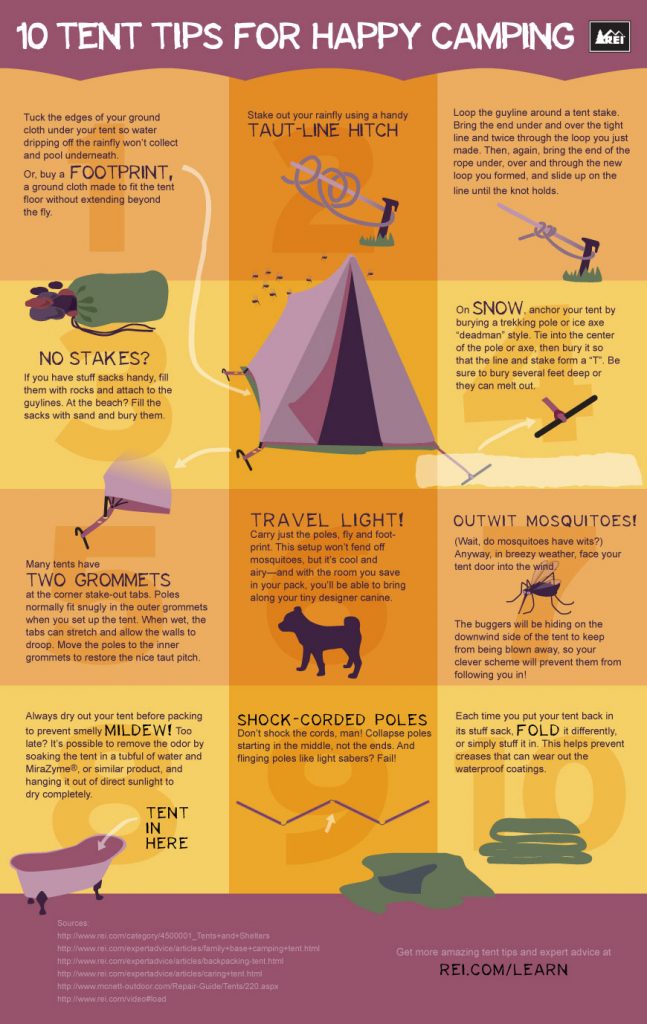
Compression bags are terrific for traveling, yet they are a poor choice for long-lasting storage. Maintaining water-proof equipment tightly compressed for weeks or months can camping gears crease and deteriorate water-proof layers, specifically along fold lines. Protected coats likewise shed loft space when pressed for as well long, minimizing their heat with time. Rather, shop things freely folded up or hung, offering the textile area to take a breath and hold its form.
Hang Jackets, Do Not Pack Them
Water-proof coats and coverings do best on a vast, cushioned wall mount as opposed to folded up in a drawer or stuffed in a stuff sack for extensive durations. Hanging protects against sharp folds from creating along the shoulders and seams, which is where several waterproof garments begin to leakage initially. If wardrobe space is restricted, folding loosely in a breathable cotton bag is a sensible second option.
Deal With Shoes and Boots Separately
Water-proof boots require a little bit extra care than soft-shell equipment. Shop them upright, far from straight warmth resources like radiators or vents, which can dry out and crack leather or artificial uppers. A boot type or rolled towel inside each boot assists maintain its shape. Reapply a waterproofing therapy prior to long-lasting storage if the gear will rest extra for a number of months, considering that factory coverings gradually wear down also without usage.
Keep an eye out for Pests and Smells
All-natural fibers and foam cushioning inside boots and gloves can attract bugs if saved for extended periods without air flow. Cedar blocks or breathable garment bags help discourage parasites while still permitting moisture to get away. Prevent plastic bags for long-lasting storage, given that they trap any recurring humidity and can lead to mildew growth also in gear that seemed completely dry.
Do Regular Check-Ins
Even appropriately kept equipment take advantage of a seasonal check. Every few months, take waterproof things out, check seams and zippers for any kind of indications of wear, and let them air out for a day. This simple behavior captures small concerns, like a stopping working seam seal or a sticking zipper, prior to they end up being larger issues.
The Reward of Appropriate Storage
Storing water-proof equipment correctly isn't made complex, however it does require a little objective. Cleansing completely, drying entirely, preventing compression, and picking a steady environment are the core behaviors that keep gear carrying out the way it was created to. A little care between journeys implies your equipment will certainly be ready to do exactly when you require it most, season after period.